As climate extremes intensify across continents, from deadly heat waves and prolonged droughts to catastrophic flooding, a new global scientific review makes clear that forests are not only part of the long-term climate solution. They already shape the conditions that determine how local societies experience climate change today.
Published in Science, the Review synthesizes evidence from hundreds of studies worldwide to show that natural forests actively regulate temperature and water systems from local to global scales. Beyond absorbing carbon, forests influence heat exposure, rainfall patterns, flood risk, and water availability, affecting human health, food production, and economic stability.
In recent years, there has been considerable controversy around the mixed roles that forests can play in regulating climate conditions, with warming effects in some regions and cooling effects in others. By taking a broad perspective, this study aims to identify the overarching trends, clarifying the local climate adaptation effects that these ecosystems can provide when growing under natural conditions.
“Protecting and restoring natural ecosystems is not just about carbon. It is about safeguarding the living systems and providing climate adaptation to protect billions of people across the globe.”— Prof. Thomas W. Crowther
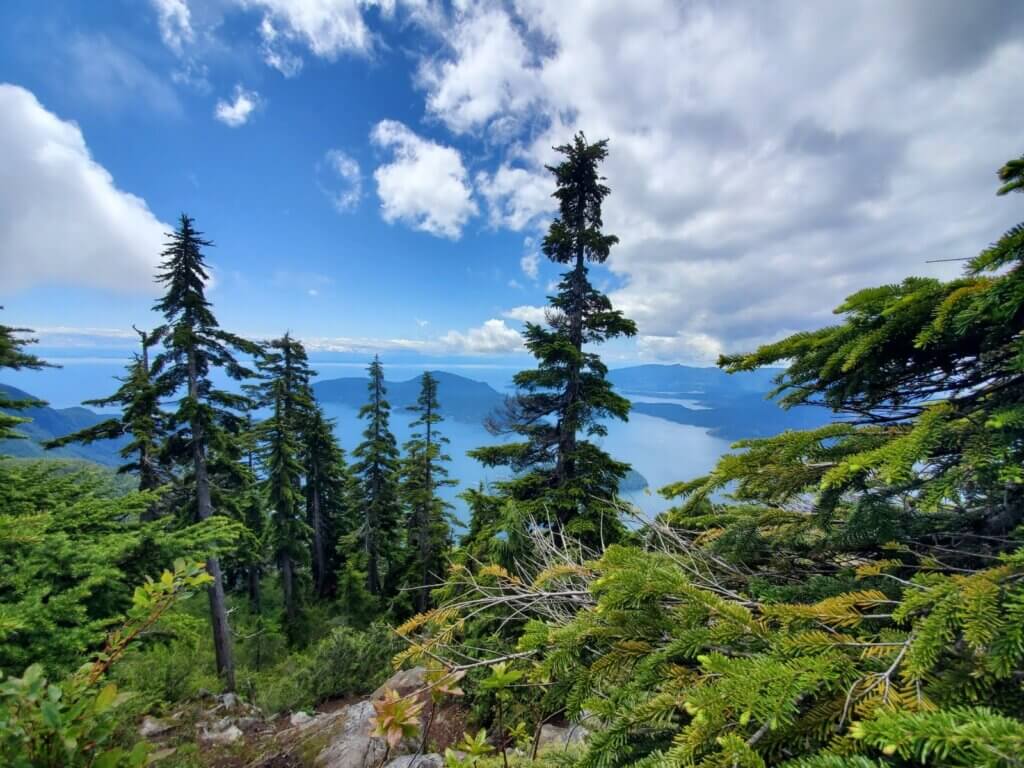
A Layered Scientific Picture
The science reveals a layered picture. At a global scale, the carbon absorption of forests has a cooling effect, while concurrent changes in albedo—particularly in high latitude areas—can dampen these cooling effects. However, at a local scale, the effects of natural forests are more consistent, as natural forests generally buffer local regions against temperature extremes.
Forests also shape the global water cycle. In humid regions, they intercept rainfall, enhance infiltration, and reduce peak flows, lowering flood risk. Across entire river basins, forests influence streamflow and downwind precipitation. Yet in dry climates, the tendency of forests to slow runoff can mean that they can limit water availability in downstream regions.
“The science shows a clear pattern. Forests are powerful allies against climate change where they naturally belong. But planting trees in the wrong places can backfire.”— Dr. Constantin Zohner
Implications for Policy
The findings underscore that conserving existing old growth and intact native forests is especially critical. These ecosystems store disproportionate amounts of carbon, provide stable temperature buffering, and regulate water systems in ways that cannot be quickly replaced once lost.
As climate policy increasingly includes adaptation, helping communities cope with heat, drought, and shifting rainfall, the study strengthens the case that forests are a frontline resilience strategy. Protecting and restoring natural forests can reduce heat exposure, support agricultural stability, and lower energy demand for cooling.
Conclusion
The authors emphasize that forests are not a substitute for rapid fossil fuel emission reductions. Forest conservation and restoration are an important complement to decarbonization. We cannot choose between decarbonizing and conserving the natural world because both are absolutely necessary.
Full study available via Science Magazine